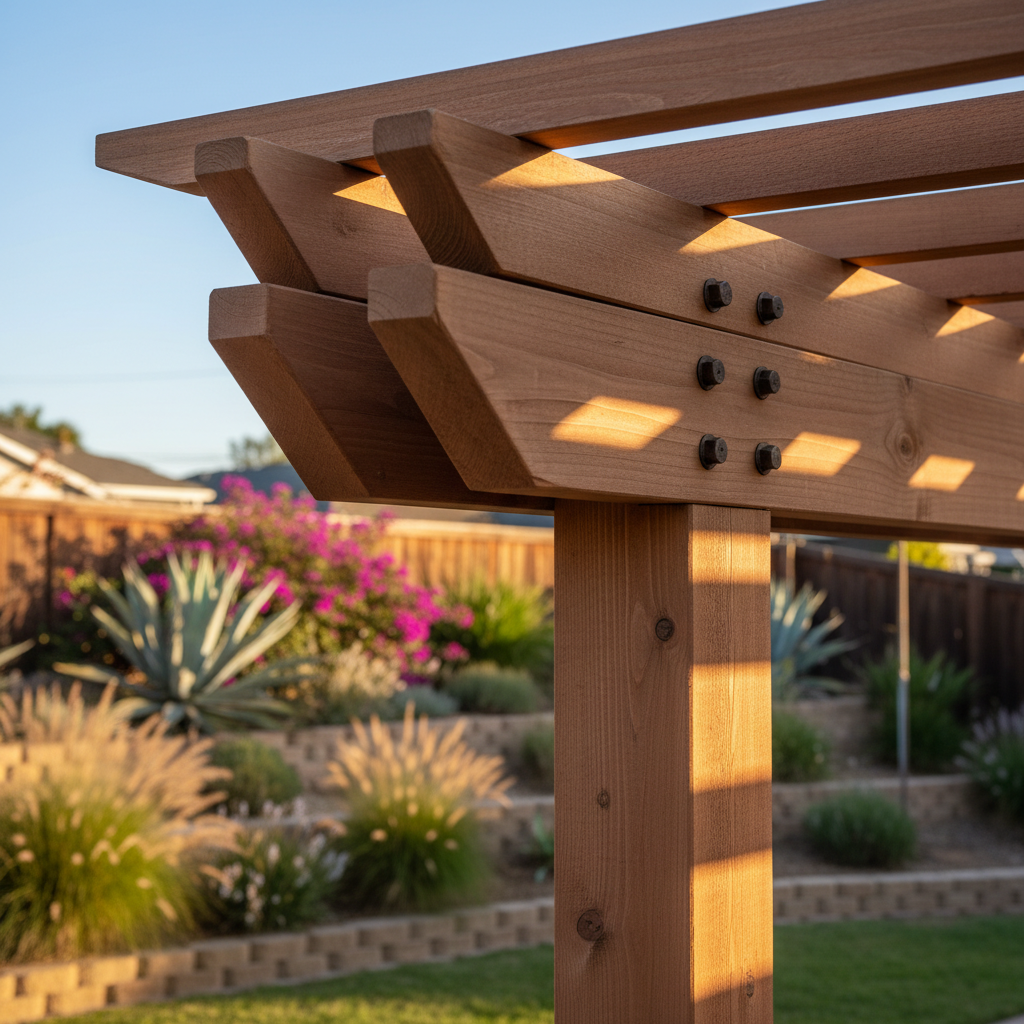
So, you're thinking about adding a pergola to your backyard. Great idea! They really transform an outdoor space, give you some much-needed shade from that California sun, and can even boost your home's curb appeal. But before you start sketching designs or buying lumber, let's talk about what's involved. Can you really DIY this, or is it a job for the pros?
Before You Even Start Digging: The Planning Phase
This is where most DIY projects either succeed or fail, and it's not about how good you are with a hammer. It's about thinking things through. First off, what do you want this pergola for? Just a little shade over a seating area? A more substantial structure to support climbing plants? Your answer will dictate the size, materials, and complexity.
- Permits, Permits, Permits: Look, nobody likes dealing with city hall, but you absolutely have to check with the City of Garden Grove's planning department. Depending on the size and attachment method, you might need a building permit. Don't skip this. Building without one can lead to fines, forced demolition, or issues when you try to sell your house. It's a pain, but it's non-negotiable.
- Location, Location, Location: Think about sun exposure throughout the day. Where does the shade fall? What about drainage? You don't want your new pergola sitting in a puddle every time it rains. Also, consider underground utilities. Call 811 before you dig, seriously. You don't want to hit a gas line or an electrical conduit.
- Materials: Wood (cedar, redwood, pressure-treated pine) is classic. Aluminum or vinyl are lower maintenance. Each has its pros and cons regarding cost, durability, and how easy it is to work with. For our climate here, especially with the occasional Santa Ana winds, you want something sturdy.
- Budget: Be realistic. Materials alone can add up fast. Factor in tools you might need to rent or buy, and don't forget hardware like anchors, bolts, and screws.
During Construction: DIY vs. Pro
Alright, you've got your plans, your permit (hopefully!), and your materials. Now for the fun part. Or the frustrating part, depending on your skill level.
What You Can Probably DIY
If you're handy, have a decent set of tools, and a buddy or two to help, you can tackle simpler pergolas. We're talking about freestanding structures with basic post-and-beam construction. Measuring, cutting, drilling, and assembling are all within reach for someone with moderate DIY experience. Pre-cut kits can make this even easier, but they often limit your design options.
- Footings: Digging post holes and pouring concrete for footings is doable. Just make sure your holes are deep enough (check those permit requirements!) and your posts are perfectly plumb. This is critical for stability.
- Assembly: If you're using a kit or have very clear plans, assembling the main frame, rafters, and purlins can be a weekend project. Just remember, precision in cutting and squaring everything up makes a huge difference in the final look and structural integrity.
- Finishing: Staining, painting, or sealing the wood is definitely a DIY job. It protects your investment from our intense sun and occasional humidity.
When to Call a Professional (Like Us at Garden Grove Deck Creations)
Here's where I'll be blunt: if you're unsure about any of the structural aspects, if the design is complex, or if you're attaching it to your house, call a pro. Seriously. A poorly built pergola isn't just an eyesore; it can be dangerous. I've seen some DIY attempts that were just waiting for the next big gust of wind to come crashing down.
- Complex Designs: If you want intricate joinery, custom curves, or a pergola integrated with other structures like a deck or an outdoor kitchen, that's pro territory.
- Attached Pergolas: Tying a pergola into your home's existing structure requires a deep understanding of framing, flashing, and load-bearing. You don't want to compromise your home's integrity or create leaks.
- Large or Tall Structures: The bigger it is, the more critical the engineering. Taller pergolas require more robust footings and bracing to withstand wind loads. Here in Garden Grove, especially in areas like the older neighborhoods near Garden Grove Boulevard, you see a lot of mature trees. If you're building near one, you need to think about root systems and potential future growth, which can complicate things.
- Time & Tools: If you don't have the time, the right tools (like a heavy-duty miter saw, impact drivers, or specialized lifting equipment), or the physical strength for heavy lifting, hiring someone is worth every penny. We've got the experience and equipment to get it done safely and efficiently.
After It's Built: Maintenance Matters
Congratulations, your pergola is up! Now, don't just forget about it. Regular maintenance will ensure it lasts for years.
- Cleaning: Wash it down periodically to remove dirt, pollen, and cobwebs. A gentle power wash on a low setting can work for wood, but be careful not to damage the surface.
- Inspections: At least once a year, check all the connections. Are bolts tight? Are there any signs of rot or insect damage, especially at the base of the posts? Look for cracks or splinters in the wood.
- Re-sealing/Re-staining: Depending on the finish you used, you'll need to reapply a sealer or stain every few years. This protects the wood from UV damage and moisture, keeping it looking good and extending its life.
Building a pergola can be a rewarding project. Just be honest with yourself about your skills and resources. There's no shame in calling in the experts when a job is beyond your comfort zone. We're here to help if you decide it's a bit much to take on yourself.