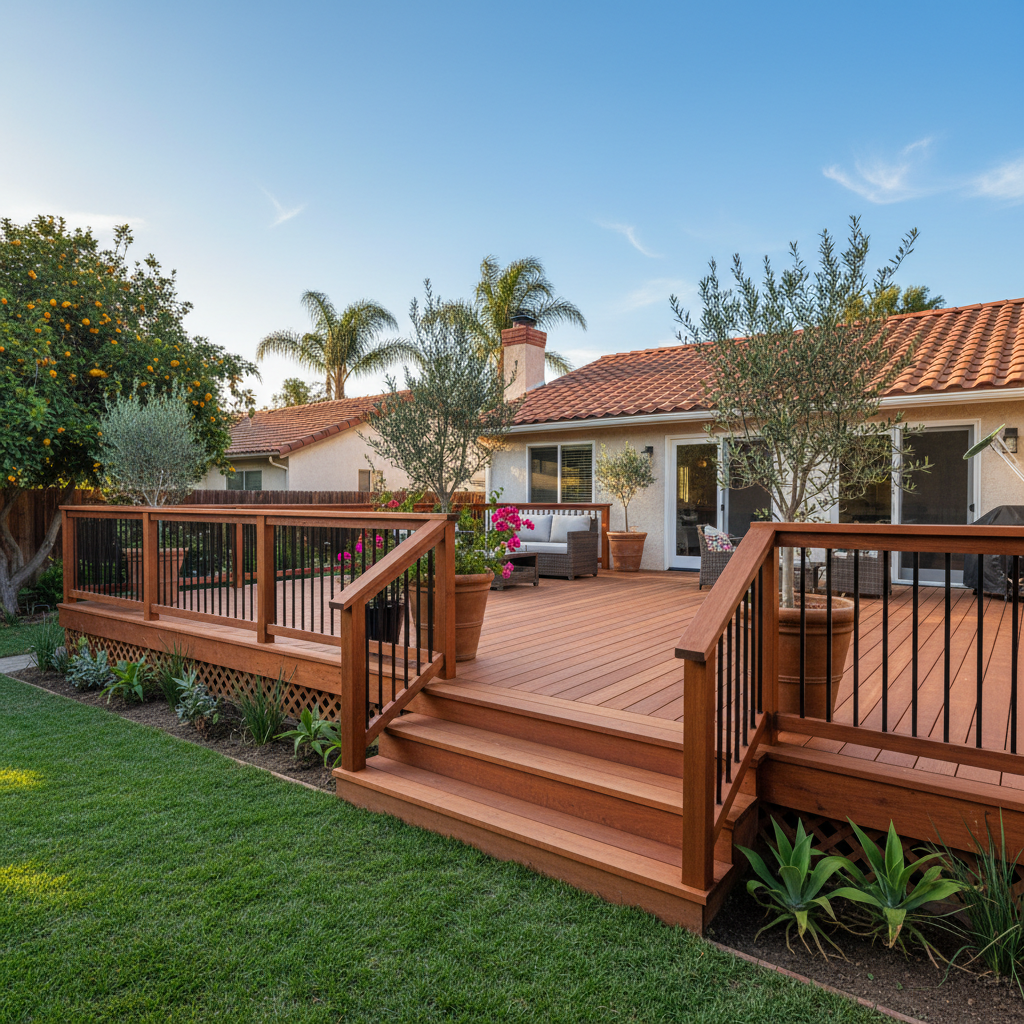
When's the best time to build or maintain a wood deck here in Garden Grove? That's a question I get a lot, and it's a good one. Our Southern California climate is pretty sweet, but it's not without its quirks, especially when it comes to wood. You've got to think about the heat, the occasional rain, and even that coastal humidity we sometimes get. It all plays a part in how your deck performs and how long it lasts.
Timing Your Deck Projects: When to Build, When to Maintain
Look, you can build a deck almost any time of year here, but there are definitely better windows. For new deck construction, I prefer the spring and fall. Why? It's not too hot, not too cold, and usually, we're not dealing with heavy rain. The wood has time to acclimate to the local conditions without extreme stress. If you're building in the summer, especially July or August, those 90-degree days we get can be brutal on the crew and on the wood itself. It can dry out too fast, making it harder to work with and potentially leading to cracks if not handled right.
For maintenance like cleaning, sanding, and staining, spring is your absolute best friend. Get it done before the intense summer sun bakes everything. You want your stain or sealant to cure properly, and that means avoiding direct, scorching sunlight right after application. Fall is also good for a touch-up or a deep clean after the summer's wear and tear. You don't want to be doing major staining in December when we might get a week of solid rain, or in January when the nights get pretty chilly and dew points are high. Those conditions just don't let the product do its job.
Weather's Impact on Your Wood Deck
Our Garden Grove weather, while mostly sunny, has specific challenges for wood. The biggest one? UV radiation from the sun. It's relentless. That's what breaks down the lignin in wood, turning it gray and making it brittle. You'll see this especially on decks that get full sun exposure all day, like those facing south or west without any shade structures. I've seen decks in the College Park area, for example, that just bake all day long, and if they're not protected, they'll show it fast.
Then there's the moisture. We don't get a ton of rain, but when we do, it can be intense. And let's not forget the humidity. Even if it's not raining, that moisture in the air can get absorbed by the wood, causing it to swell. When it dries out, it shrinks. This constant expansion and contraction is what leads to checking, splitting, and warping over time. It's why proper sealing is so crucial. It acts as a barrier against both moisture absorption and UV damage.
Protecting Your Investment Year-Round
So, how do you keep your deck looking good and lasting long? It comes down to a few key things:
- Regular Cleaning: Don't let dirt, leaves, and grime sit on your deck. They trap moisture and can lead to mildew and rot. A good sweep and occasional scrub with a deck cleaner (follow the product directions!) will do wonders.
- Sealing or Staining: This is non-negotiable for wood decks in our climate. It's your deck's sunscreen and raincoat. How often? It depends on the product and how much sun your deck gets, but generally every 1-3 years. If water isn't beading up on the surface anymore, it's time.
- Inspect for Damage: Take a walk around your deck a couple of times a year. Look for loose fasteners, splintering wood, or signs of insect activity. Catching small problems early saves you big headaches and bigger repair bills down the road.
- Keep it Clear: Don't leave potted plants directly on the deck surface without risers. They trap moisture underneath and can cause rot. Move furniture around periodically to allow for even exposure and prevent mildew growth in shaded spots.
- Trim Overhanging Branches: If you have trees shading your deck, keep them trimmed. This helps with air circulation, reduces debris, and lets the deck dry out faster after rain or morning dew.
Taking care of your deck isn't a one-and-done deal. It's an ongoing process, but it's worth it. A well-maintained deck not only looks better, but it's safer and will add value to your home for years. If you've got questions about your specific deck or need a hand with maintenance or repairs, don't hesitate to reach out to us at Garden Grove Deck Creations. We're always happy to help our neighbors keep their outdoor spaces beautiful.