Do I need a permit to build a pergola in Garden Grove?
Yeah, you probably do. This is one of the first things folks ask me, and it's a good question because nobody wants to get halfway through a project only to have the city shut it down. Generally, if your pergola is attached to your house, or if it's a freestanding structure over a certain size – usually 120 square feet here in Garden Grove – you're going to need a building permit. The city wants to make sure it's structurally sound and safe, especially with our occasional high winds, right? It's not just about the size either; sometimes, if it's going over a pool or spa, or if it's got electrical components for lights or fans, that triggers a permit requirement regardless of dimensions. My advice? Always check with the Garden Grove Planning Department first. Give 'em a call, or swing by. It'll save you a lot of headaches down the road. We handle all the permit stuff for our clients at Garden Grove Deck Creations, so you don't have to worry about it.
What's the best material for a pergola in our Southern California climate?
Alright, this is a big one. You've got a few main choices: wood, vinyl, or aluminum. Each has its pros and cons, especially with our intense SoCal sun and the humidity we sometimes get from the coast. Wood is classic, right? Cedar, redwood, or pressure-treated pine are popular. Redwood and cedar look fantastic; they naturally resist rot and insects. But they do need regular sealing or staining to keep them looking good and protected from UV damage. If you don't maintain them, they'll gray out and can start to splinter. Pressure-treated pine is more budget-friendly but doesn't have the same natural beauty or longevity without a lot of upkeep. Vinyl pergolas are super low maintenance. You just hose 'em down. They won't rot, warp, or get eaten by termites. The downside? They can look a little less natural, and some folks don't like the plastic-y feel. Aluminum is another great low-maintenance option. It's strong, lightweight, and won't rust. You can get it powder-coated in various colors, so you get durability and style. The initial cost for vinyl or aluminum can be higher than wood, but you save on maintenance over the years. For Garden Grove, where we get plenty of sun, I lean towards aluminum or properly maintained redwood or cedar. They just hold up better to the UV and heat.
How much shade will a pergola actually provide?
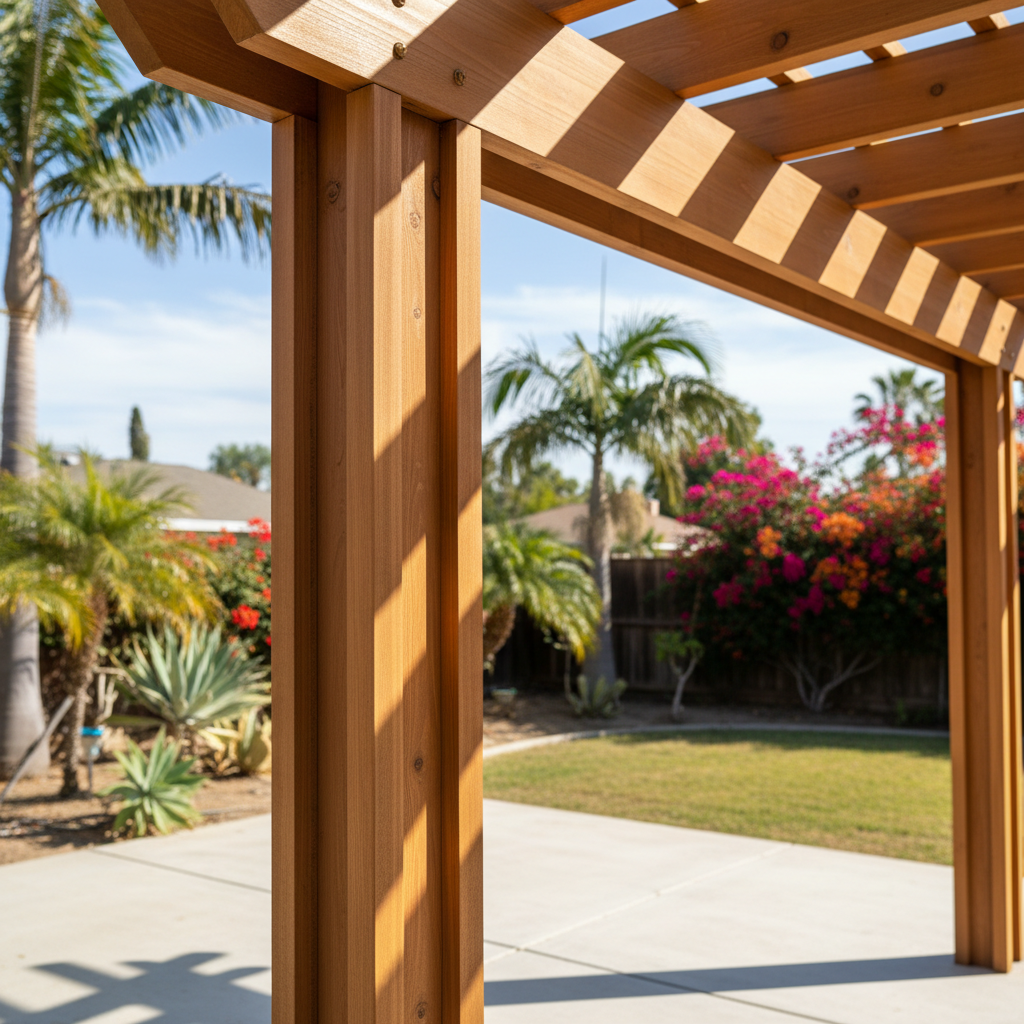
This is where pergolas differ from solid patio covers. A traditional pergola, with its open lattice or rafters, provides partial shade. It's not a complete blackout. Think dappled light, a nice play of sun and shadow. The amount of shade depends on a few things: the spacing of the rafters, the direction they run, and the time of day. If you want more shade, you can space the rafters closer together, or add purlins (smaller cross-members) on top. You can also incorporate shade sails, retractable canopies, or even climbing plants like wisteria or grapevines. These additions can significantly increase the shade coverage, making your outdoor space much more comfortable during the hottest parts of the day. It's all about how you design it and what your specific needs are. We can design it to maximize shade during the hottest parts of the day, which is usually mid-afternoon here in Garden Grove.
Can I attach a pergola to my house, or does it have to be freestanding?
You absolutely can attach a pergola to your house, and it's a very common design choice. This is called an attached pergola. It usually uses the house wall as one side of its support, meaning fewer posts and a more seamless transition from your indoor living space to your outdoor area. It can also be more stable and sometimes a bit more cost-effective since you're using an existing structure. However, attaching it means you'll definitely need to consider flashing and proper sealing to prevent any water getting into your home's structure. You also need to make sure your house's framing can support the weight. Freestanding pergolas, on the other hand, stand on their own four (or more) posts. They offer more flexibility in terms of placement in your yard and can create a distinct outdoor 'room.' There's no right or wrong answer here; it just depends on your yard layout, your desired aesthetic, and how you plan to use the space.
What kind of foundation do pergola posts need?
You can't just stick the posts in the dirt and call it a day, especially not here. Our soil can be pretty expansive in some areas, and you need a solid base. For most pergolas, especially larger ones, you'll want concrete footings. These are typically concrete pads or piers that extend below the frost line (which isn't much of an issue in Garden Grove, but still good practice for stability) and provide a stable, level surface for your posts. We usually use post anchors or brackets that attach to the concrete, keeping the wood posts slightly elevated to prevent direct contact with moisture, which helps prevent rot. The size and depth of the footings will depend on the size and weight of your pergola, as well as local building codes. A properly engineered foundation ensures your pergola stays put, even when we get those Santa Ana winds whipping through.
How long does pergola construction usually take?
That's like asking